
How to Choose Carpet That Lasts: Beautiful, Durable & High-Quality Flooring
Choosing carpet is an investment, and appearance should not be the only consideration. A beautiful carpet that is unsuitable for the room’s traffic, lifestyle or maintenance requirements can show wear much sooner than expected.
The best approach is to choose carpet that balances beauty, comfort, durability and practicality. Fibre type, pile construction, density, backing, underlay, installation quality, maintenance and even the room where the carpet is used can all influence how long it remains attractive and functional.
This guide explains how to choose a durable carpet, what makes carpet last longer, how to identify quality, and how to select flooring according to your home’s actual needs.
What Makes a Carpet Durable?
A durable carpet is not necessarily the thickest or most expensive carpet available. Durability comes from how the carpet is constructed and how well that construction matches the environment where it will be used.
Important carpet durability factors include fibre type, pile density, pile construction, backing, quality of installation and the amount of daily foot traffic.
A carpet installed in a quiet bedroom may last significantly longer than the same carpet placed in a busy hallway. Likewise, a family home with children and pets places different demands on flooring than a formal sitting room used occasionally.
The first rule is simple: choose carpet according to how the room will actually be used.


How to Choose a Long-Lasting Carpet
When comparing carpets, don’t rely only on colour, softness or price. Examine the construction and intended use of the carpet.
A good carpet selection guide should consider:
Traffic Level
Determine whether the room has light, moderate or heavy traffic. Hallways, stairs and family rooms generally receive more wear than bedrooms or guest rooms.
Fibre
Different fibres behave differently under repeated use. Fibre selection is one of the most important carpet lifespan factors.
Pile
Pile height and construction affect how carpet responds to compression, traffic and cleaning.
Density
A denser carpet generally contains more fibre in the face construction and can provide better resistance to crushing and matting.
Backing
The carpet backing contributes to dimensional stability and overall construction quality.
Underlay
Suitable padding can support the carpet and influence how well it performs under daily use.
Maintenance
Even a high-quality carpet can wear prematurely when dirt is allowed to accumulate or unsuitable cleaning methods are used.
Carpet Fibre Types Explained
Nylon Carpet
Nylon is widely regarded as a durable synthetic carpet fibre and is often selected for busy residential and commercial environments. It offers resilience and can be suitable for areas where repeated foot traffic is expected.
Nylon carpet durability makes it worth considering for hallways, family rooms, stairs and other demanding spaces.
Polyester Carpet
Polyester can provide good softness, colour variety and stain resistance characteristics depending on the specific product. It is often popular in residential applications where comfort and appearance are important.
Its suitability for heavy traffic depends on the carpet construction and product specification.
Wool Carpet
Wool is a natural fibre known for resilience, comfort and premium appearance. High-quality wool carpeting can perform very well when properly maintained, although it can require more careful cleaning and may have a higher initial cost.
When comparing wool vs synthetic carpet, consider your priorities rather than assuming one material is universally better.
Natural vs Synthetic Fibres
Natural and synthetic fibres can both produce excellent carpets. Synthetic products can offer practical benefits such as durability, easy maintenance or affordability, while natural fibres can appeal to customers seeking premium materials and a distinctive feel.
The right fibre is the one that matches the room, traffic level, maintenance expectations and budget.
Carpet Pile Height and Durability
Pile height refers to the length of the carpet fibres above the backing.
Low-Pile Carpet
Low-pile carpets have shorter fibres and generally provide a firmer, more practical surface. They can be easier to vacuum and are often suitable for offices, hallways and high-traffic areas.
High-Pile Carpet
High-pile carpets can feel softer and more luxurious but may show compression more easily under heavy furniture and repeated foot traffic.
This does not mean high-pile carpets are poor quality. It means pile height and durability need to be considered together.
Low Pile vs High Pile Carpet
For busy areas, a low or medium pile may provide a better balance of appearance, maintenance and durability.
For bedrooms and quieter living spaces, a higher-pile carpet may be chosen where comfort is more important than heavy-duty performance.
The best pile depends on the function of the room rather than a universal rule.
Carpet Density and Durability
Carpet density is an important factor when assessing quality. A dense carpet has fibres packed more closely within the construction, which can help the carpet maintain its appearance under use.
When evaluating a carpet sample, gently press your fingers into the surface. A carpet that feels full and resilient may indicate a more substantial construction, although appearance alone cannot replace manufacturer specifications.
Density should be considered alongside fibre type, pile, backing and overall carpet construction.
Does Carpet Weight Affect Durability?
Carpet weight can provide useful information, but carpet weight and durability should not be treated as the same thing.
A heavier carpet is not automatically better. Different fibres have different weights and constructions, so two carpets with similar weight can perform differently.
Use weight as one comparison point, not the only measure of quality.
Carpet Backing and Durability
The backing supports the carpet structure and helps influence dimensional stability and overall performance.
Quality backing can help the carpet retain its shape and respond better to installation and regular use. For commercial or high-traffic applications, carpet backing should be selected according to the intended environment.
The backing also matters during installation because improper fitting can affect the carpet’s long-term performance even when the carpet itself is high quality.
Carpet Padding and Underlay
Underlay is often overlooked when people focus on the carpet itself.
A suitable carpet underlay can provide cushioning and support, while also helping protect the carpet from excessive compression. It can improve comfort and contribute to the overall performance of the flooring system.
However, thicker is not automatically better. The underlay should be appropriate for the selected carpet and follow the product manufacturer’s requirements.


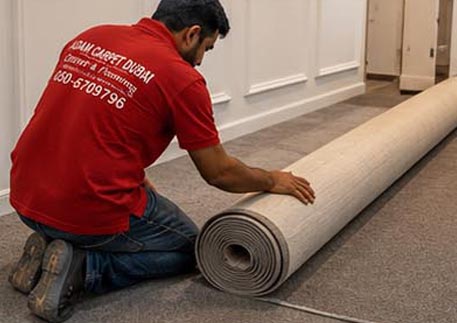
Carpet Seams and Installation Quality
Even an excellent carpet can develop problems when it is poorly installed.
Carpet seams and durability are closely connected because poorly planned joins can become visible, loose or damaged over time. Incorrect stretching can also lead to ripples and premature wear.
Professional installation helps ensure accurate measurement, correct stretching, secure edges and properly positioned seams.
If you’re investing in premium carpet, professional installation is an important part of protecting that investment.
Stain Resistance, Wear Resistance & Fading
A beautiful carpet should also be practical for the environment.
Stain Resistance
For homes with children, pets or frequent entertaining, stain resistant carpet can make everyday maintenance easier.
Wear Resistance
Busy areas benefit from carpet designed to resist abrasion and repeated foot traffic.
Fade Resistance
Rooms exposed to strong sunlight may benefit from materials and finishes with suitable resistance to colour fading.
Don’t assume that every carpet advertised as stain resistant or fade resistant offers the same level of performance. Review the manufacturer’s specifications before making a decision.
Best Carpet for High-Traffic Areas
High-traffic areas include entrances, hallways, stairs, family rooms and frequently used offices.
For these spaces, look for carpet with suitable durability ratings, resilient fibres, practical pile construction and good density.
A slightly firmer carpet may perform better in a busy hallway than an extremely soft luxury carpet designed for a quiet bedroom.
Best Carpet for Busy Households
Homes with children, pets and frequent visitors need carpet that can tolerate more activity.
Consider:
- Resilient fibre
- Moderate or low pile
- Good stain resistance
- Easy maintenance
- Suitable density
- Quality backing
A practical carpet can still be attractive. Durability does not mean you have to sacrifice design.


Choosing Carpet for Different Rooms
Living Room
The living room needs a combination of comfort and durability. A medium-pile, resilient carpet can provide a good balance for everyday family use.
Bedroom
Bedrooms are usually lower-traffic environments, so softness and comfort can be prioritized. Plush or higher-pile carpets may work well where practical.
Hallways
Hallways experience repeated foot traffic and benefit from durable, easy-to-maintain carpet.
Family Room
Family rooms need a balance of comfort, stain resistance and durability because they often experience constant activity.
Home Office
A home office may benefit from a low- or medium-pile carpet that is comfortable underfoot but practical around office chairs and furniture.
How Much Carpet Do I Need?
The amount of carpet required depends on the total floor area and how the carpet will be installed. You normally need more material than the exact floor measurement because of cutting, joins, room shape and pattern matching.
Buying too little can create problems during installation, while buying excessive material increases cost.
Professional measurement helps determine a more accurate quantity before ordering.
How to Make Carpet Last Longer
Even the best carpet needs proper care.
Regular vacuuming helps remove dirt before it becomes embedded. Prompt stain treatment can reduce permanent marks. Periodic professional cleaning can remove deeper soil and residue.
To extend carpet lifespan, also consider using entrance mats, reducing unnecessary dirt from outdoor footwear, protecting high-use areas and following the manufacturer’s maintenance recommendations.
Moving furniture carefully can also help prevent permanent compression or damage.
Common Causes of Carpet Wear
Carpet can deteriorate prematurely because of:
Excessive Foot Traffic
Repeated movement over the same path can flatten fibres and create visible wear patterns.
Dirt and Grit
Fine particles can work into carpet fibres and act like abrasive material underfoot.
Poor Cleaning
Incorrect chemicals, excessive moisture or aggressive scrubbing can damage carpet fibres.
Poor Installation
Loose edges, wrinkles and improperly secured seams can shorten the usable life of the flooring.
Sun Exposure
Strong sunlight can affect the colour of some carpet materials over time.
Furniture Pressure
Heavy furniture can permanently compress carpet when left in one position for long periods.
How to Tell If Carpet Is Good Quality
A quality carpet should be evaluated using more than appearance.
Look at the fibre type, construction, density, backing, intended traffic rating, manufacturer specifications and warranty.
Feel the carpet sample and examine how the fibres recover after being pressed. Ask the supplier what environments the carpet is designed for and what maintenance it requires.
A professional supplier should be able to explain why a particular carpet is suitable for your room rather than simply telling you that it is “premium.”
Carpet Quality vs Price
Price matters, but the cheapest carpet is not always the most economical choice.
A low-cost carpet that needs replacement quickly may cost more over its lifetime than a better-quality carpet that performs well for many years.
The goal should be value rather than the lowest initial price.
Consider expected lifespan, maintenance, comfort, appearance, installation and replacement costs when comparing options.
How to Choose Carpet Based on Budget
Start with your practical requirements rather than choosing the lowest price and trying to make it work.
For a bedroom with light traffic, you may be able to invest more in softness and appearance. For a busy family hallway, allocating more of the budget to durability may provide greater long-term value.
A professional carpet supplier can help you compare suitable options at different price points without sacrificing the characteristics that matter most for your room.
Carpet Maintenance and Lifespan
Maintenance has a direct influence on carpet cleaning and lifespan.
Vacuum frequently according to traffic. Remove stains promptly. Schedule professional deep cleaning when required and use cleaning methods suitable for the specific carpet fibre.
A maintenance routine should also include occasional inspection of seams, edges and high-traffic areas.
Good maintenance does not make a carpet indestructible, but it can significantly help preserve appearance and performance.
When Should You Replace Carpet?
Even durable carpet eventually reaches the end of its useful life.
Common carpet replacement signs include:
- Permanent heavy staining
- Significant matting or crushing
- Visible worn pathways
- Damaged or separating seams
- Persistent odours
- Tears or holes
- Carpet that no longer suits the property’s needs
If professional cleaning and repair no longer improve the appearance or function of the carpet, replacement may be the better option.
Carpet Durability vs Appearance
The most beautiful carpet is not always the most durable.
Highly detailed patterns, luxury textures and plush finishes can be excellent for decorative rooms but may not perform as well in areas with heavy traffic.
The best approach is to select a carpet that fits the function and aesthetics of the room simultaneously.
You do not have to choose between beautiful and durable carpet. The key is selecting the right construction for the environment.
How to Choose a Carpet That Is Beautiful and Durable
The ideal carpet combines:
Suitable fibre for your traffic and lifestyle.
Appropriate pile for comfort and maintenance.
Good density for appearance retention.
Quality backing and underlay for support.
Suitable colour and pattern for your interior.
Professional installation for long-term performance.
A realistic maintenance plan to protect the flooring.
When all of these factors work together, you can achieve carpet that remains attractive and functional for years.
Carpet Buying Mistakes to Avoid
Avoid buying carpet based only on:
- Colour
- Softness
- Thickness
- Price
- A showroom appearance
Instead, ask about traffic suitability, fibre, density, backing, warranty, cleaning requirements and installation.
A carpet that looks perfect in a small showroom sample may perform very differently in a busy home.
Choosing Durable Carpet in Dubai
Dubai homes, offices and commercial properties can have very different flooring needs. High-traffic entrances and commercial environments may require particularly durable carpet constructions, while bedrooms and private living spaces can prioritize comfort.
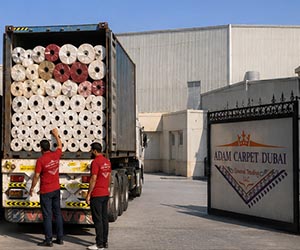
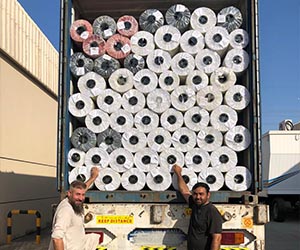
Adam Carpet Dubai provides carpet supply and professional installation for villas, apartments, offices, hotels, mosques, exhibitions and commercial properties across Dubai.
Our team can help you compare carpet options according to your room, traffic level, design preferences and budget rather than simply recommending a single type of carpet for every application.
Conclusion
Learning how to choose a durable carpet means looking beyond colour and appearance. Fibre, pile, density, backing, underlay, installation, traffic and maintenance all influence how long carpet will remain beautiful and functional.
The best carpet is not necessarily the thickest, softest or most expensive. It is the carpet whose construction matches the environment where it will be used.
Choose durable materials for busy areas, prioritize comfort where traffic is lighter, maintain the flooring properly and use professional installation to protect your investment.
If you’re looking for high-quality carpet in Dubai, Adam Carpet Dubai can help you select, supply and professionally install flooring for your home or business.
Contact Adam Carpet Dubai at 050 670 9796 for professional carpet advice, supply and installation in Dubai.