
Comfy Carpet
What Makes a Carpet Comfortable?
A comfy carpet can completely change the feeling of a room. Unlike many hard flooring surfaces, carpet provides a soft, warm and cushioned surface underfoot, making bedrooms, living rooms, family areas and other spaces feel more inviting.
But not every carpet feels the same. Carpet comfort depends on several factors, including fibre type, pile height, pile density, texture, underlay, construction and overall carpet quality. A thick-looking carpet is not automatically the softest, and a very soft carpet is not always the best choice for a high-traffic area.
Understanding these factors makes it easier to choose a comfortable carpet that suits both your lifestyle and your space.
What Is a Comfy Carpet?
A comfy carpet is generally a carpet that feels pleasant and cushioned underfoot while providing the warmth and softness people associate with carpet flooring.
A carpet may feel comfortable because of its fibre construction, pile style, density and the quality of the padding underneath. The combination of these elements influences how the carpet responds when you walk, sit or lie on it.
A comfortable carpet for a bedroom may be very different from a durable carpet selected for an office. This is why comfort should always be considered together with the room’s intended use.

What Makes a Carpet Soft?
Several characteristics contribute to carpet softness.
The fibre itself has a major influence. Wool, polyester and some nylon carpets can provide a soft feel, depending on the quality and construction. The shape and thickness of the individual fibres also affect how the carpet feels.
Pile height is another important factor. Higher-pile carpets generally have a deeper surface, which can create a plush and luxurious sensation. However, pile height alone does not determine comfort. Density and fibre quality are also important.
The padding underneath the carpet can make an equally noticeable difference. A suitable underlay can add cushioning and help the carpet feel more comfortable when walking barefoot.
Which Carpet Is the Softest?
There is no single carpet that is always the softest because softness depends on the specific fibre, construction and quality.
For people looking for a particularly luxurious feel, plush, saxony and other higher-pile carpets are often considered comfortable choices. Wool carpets can also offer a naturally soft and resilient texture, while quality polyester can provide a very soft surface at a different price point.
When comparing carpets, it is better to feel the actual samples rather than choosing based only on a product name or thickness.
Soft Carpet Materials
Wool Carpet
Wool is a natural fibre known for its softness, resilience and premium feel. High-quality wool carpets can provide excellent comfort and a sophisticated appearance, making them popular for bedrooms, living rooms and luxury interiors.
Polyester Carpet
Polyester is often chosen for its soft feel and wide selection of colours and styles. It can be a practical option for residential areas where comfort and appearance are priorities.
Nylon Carpet
Nylon is known for durability and resilience, while selected nylon carpets can also provide a comfortable surface. This makes nylon an interesting option when you want to balance softness with everyday performance.
Other Carpet Fibres
Other synthetic fibres can also produce comfortable carpets depending on their construction and quality. The best choice depends on whether your priority is softness, durability, stain resistance, appearance or a combination of these factors.
Carpet Pile Types and Comfort
The carpet pile refers to the way the fibres are constructed on the surface.
Cut-pile carpets can provide a smooth and soft feel, while loop-pile carpets generally have a more structured texture and are often chosen for durability.
Plush and saxony styles can provide a more luxurious underfoot experience. Berber and low-loop styles can feel firmer and are often selected for areas where durability is more important than maximum softness.
High-Pile vs Low-Pile Carpet
High-pile carpet has longer fibres and often feels softer and more cushioned. It can be especially comfortable in bedrooms and quiet living spaces.
Low-pile carpet has shorter fibres and generally provides a firmer surface. It is often easier to maintain and may be more suitable for busy areas, offices and spaces with frequent movement.
The most comfortable carpet is therefore not necessarily the highest pile. The right choice depends on how the room will be used.
Does Thicker Carpet Feel Softer?
Not necessarily.
A thicker carpet can feel plush, but thickness alone does not determine comfort. The quality of the fibre, pile density and underlay can be equally important.
A well-constructed medium-pile carpet with good density and quality padding can feel more comfortable than a very thick carpet with lower-quality construction.
This is why carpet thickness and comfort should be considered together with the other characteristics of the flooring.
How Carpet Padding Affects Comfort
Padding or underlay is one of the most overlooked factors in choosing a comfortable carpet.
A suitable underlay can provide cushioning beneath the carpet, making the surface feel softer and more comfortable underfoot. It can also help support the carpet and improve its overall performance.
The correct padding depends on the carpet construction, room and installation requirements. Too much cushioning is not automatically better, because some carpets are designed to work with a specific type or thickness of underlay.


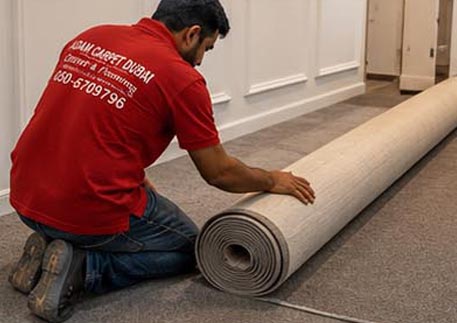
Carpet Comfort for Bedrooms
Bedrooms are among the most popular places to install soft carpets because comfort is usually a high priority.
A plush or medium-to-high-pile carpet can create a warm, cozy atmosphere and provide a pleasant surface for walking barefoot. Neutral colours and soft textures can also contribute to a relaxing interior.
For a bedroom, homeowners often prioritize softness and warmth over heavy-duty performance.
Comfortable Carpet for Living Rooms
Living rooms need to balance comfort, appearance and everyday durability. A soft carpet can make the space feel warmer and more inviting while providing a comfortable surface for sitting, relaxing and spending time with family.
The ideal choice depends on traffic. A low-to-medium pile may be practical for a busy family living room, while a more luxurious pile can work well in a quieter formal lounge.
Best Carpet for Children
For children’s rooms and family areas, comfort should be considered alongside durability and ease of cleaning.
A comfortable carpet can provide a softer surface for sitting and playing, but parents should also consider stain resistance, maintenance requirements and the expected level of activity.
In active children’s areas, an extremely high pile may not always be the most practical choice even though it feels soft.
Best Carpet for Walking Barefoot
If walking barefoot is a major priority, look for a carpet with a pleasant fibre texture, suitable pile height and good-quality underlay.
Soft cut-pile and plush-style carpets are often popular for bedrooms and private living spaces because they offer a gentle sensation underfoot.
The best option should still be matched to the room’s traffic and maintenance requirements.


Why Is Carpet Comfortable?
Warmth
Carpet can create a warmer feeling underfoot than many hard flooring materials. The carpet and underlay can provide an insulating layer between the room and the floor.
Noise Reduction
Carpet can help absorb and reduce everyday footstep noise and other sounds within a room. This can contribute to a quieter and more comfortable environment.
Cushioning
Unlike hard surfaces, carpet provides a softer surface beneath the feet. Combined with suitable padding, this can improve the overall comfort of the room.
Visual Comfort
Soft textures and warm colours can also make a room feel more inviting. Comfort is not purely physical; the appearance and atmosphere of the space matter too.
Carpet vs Hard Flooring for Comfort
Hard flooring such as tile, stone and some wood products can provide durability and a clean appearance, but they generally feel firmer and colder underfoot.
Carpet offers a softer surface and can create a warmer, quieter environment. This is one reason it remains popular for bedrooms, family rooms and other areas where comfort is a priority.
However, hard flooring may be more practical in some areas where moisture, heavy traffic or easy cleaning are the primary concerns.
The best flooring depends on the room and the priorities of the people using it.
How to Choose a Comfortable Carpet
When choosing a carpet, consider more than how soft the sample feels in a showroom.
Think about:
Room purpose: A bedroom has different needs from a busy office.
Foot traffic: Heavy-use spaces need stronger fibres and construction.
Pile: Higher piles often feel softer, while lower piles may be easier to maintain.
Density: A dense carpet can provide a fuller and more supportive feel.
Fibre: Wool, nylon, polyester and other fibres have different performance characteristics.
Padding: The underlay can significantly influence comfort.
Maintenance: Soft carpets may require more careful cleaning depending on their construction.
Durability: A comfortable carpet should still be appropriate for the expected use of the space.
Comfortable and Durable Carpet: Finding the Balance
The softest carpet is not always the best carpet.
For a bedroom, you may prioritize softness and luxury. For a family living room, you may want comfort with greater stain resistance. For an office, durability and easy maintenance may matter more.
A good comfortable carpet for home should balance the way it feels with how it will perform over time.
This is why choosing carpet based only on softness can lead to the wrong result. Consider the entire environment before making your decision.
How to Keep a Soft Carpet Comfortable
Proper care helps preserve the original feel of your carpet.
Regular vacuuming removes dirt before it becomes deeply embedded. Promptly treating spills can help prevent stains from becoming permanent. Periodic professional cleaning can also remove accumulated dirt that ordinary vacuuming cannot reach.
Avoid using unsuitable cleaning chemicals or excessive moisture, particularly on delicate fibres.
Good maintenance can help a soft carpet stay attractive, clean and comfortable for longer.
How to Prevent Carpet from Becoming Hard
Carpet can lose some of its original feel when dirt becomes embedded, fibres become compressed or unsuitable cleaning methods are used.
Regular cleaning helps prevent heavy soil buildup. Rotating furniture where practical can reduce prolonged compression in one area. Professional cleaning can also help remove residue and restore the appearance of the carpet.
Where a carpet has become severely worn or damaged, cleaning alone may not restore the original comfort. Replacement may eventually be the better option.
How Long Does a Comfortable Carpet Last?
Carpet lifespan depends on fibre, construction, quality, traffic, maintenance and installation.
A high-quality carpet that is correctly installed and properly maintained can provide many years of useful service. Heavy traffic, poor cleaning practices and excessive wear can shorten its lifespan.
Choosing a carpet that matches the room is therefore essential. A soft luxury carpet designed for a bedroom should not automatically be used in a very busy commercial environment.
Comfy Carpet Buying Guide
The best way to choose a comfy carpet is to combine comfort with practical requirements.
Start by identifying where the carpet will be installed and how the room will be used. Then compare fibre types, pile styles, density, colours, maintenance requirements and underlay options.
Ask to see physical samples and, where possible, feel the carpet in person. Two carpets that look similar online can feel very different underfoot.
For residential interiors, comfort and appearance often take priority. For commercial environments, durability and maintenance may carry greater weight.
Conclusion
A comfortable carpet is the result of several factors working together: fibre quality, pile type, density, thickness, construction and underlay. The softest-looking carpet is not automatically the most comfortable or the most suitable for every room.
For bedrooms, living rooms and cozy residential spaces, plush and softer carpet styles can create a warm and inviting environment. For busier areas, a balanced combination of comfort, durability and maintenance may be more appropriate.
If you are choosing carpet for your home or commercial property in Dubai, Adam Carpet Dubai can help you compare suitable carpet and flooring solutions based on your space, design preferences and practical requirements.
Contact Adam Carpet Dubai at 050 670 9796 for professional carpet guidance, supply and installation in Dubai.