
Red Carpet
What Is a Red Carpet? History, Meaning, Events, Materials, Setup & Care
A red carpet is a length of carpet or textile flooring traditionally used to create a formal pathway or designated arrival area for important guests. Today, the term is strongly associated with glamour, celebrities, movie premieres, award ceremonies, weddings, VIP occasions, corporate events and high-profile photographs.
But the red carpet is much older than modern Hollywood. Its history reaches back to ancient literature, while its modern association with celebrity culture developed over the 20th century. Understanding the red carpet meaning, its history and how it is used today helps explain why a simple strip of flooring became such a powerful symbol of prestige and celebration.
What Is the Meaning of a Red Carpet?
The red carpet meaning is generally connected with honor, importance, ceremony and special treatment. To “roll out the red carpet” means to give someone an especially warm or prestigious welcome.
The symbolism developed over a long period. Red and crimson tones were historically associated with wealth, rank and power because producing certain strong red dyes was difficult and expensive. In ancient and later European contexts, rich red and purple colours could therefore communicate status and importance.
Today, the meaning is broader. A red carpet can signal that an occasion is important, that guests are being formally welcomed, or that an area has been specially prepared for photography and presentation.

The History of the Red Carpet
The Ancient Origin of the Red Carpet
One of the earliest recorded literary references to a red or crimson pathway appears in Aeschylus’s Agamemnon, written in the fifth century BCE. In the play, King Agamemnon is greeted with a crimson path after returning from war. The scene is symbolic rather than evidence that red carpets were already a standard event practice at the time. The colour was also associated with divinity and status in the ancient world.
This is important because it means the modern red-carpet tradition did not simply begin with Hollywood. The idea of using a richly coloured pathway to honour an important person has much older cultural roots.
The 19th-Century Development
Over time, red and crimson became increasingly associated with ceremony and prestige. The cost of producing strong red dyes eventually declined, while improvements in textile production made carpets more accessible.
In the United States, a well-known early ceremonial use is associated with President James Monroe in 1821, when a crimson walkway was reportedly laid out for his arrival in Georgetown, South Carolina.
The red-carpet concept also became connected with rail travel. In 1902, the New York Central Railroad used a plush crimson carpet to guide passengers boarding the 20th Century Limited, an important step in the popularization of the phrase and the idea of giving people “red carpet treatment.”
How Hollywood Made the Red Carpet Famous
The modern celebrity red carpet emerged strongly through Hollywood. The Egyptian Theatre used a red carpet for the 1922 premiere of Robin Hood, helping establish a connection between movie premieres and formal red-carpet arrivals.
The Academy Awards began in 1929, but the Oscars did not adopt the red-carpet tradition until 1961. Television coverage of celebrity arrivals helped turn the carpet into a major part of the entertainment spectacle, and by the 1960s colour television made the visual impact even stronger.
During the 1970s and afterward, the red carpet increasingly became a fashion showcase as celebrities’ clothing choices attracted more attention from television, photographers and the public.
Why Is the Red Carpet Red?
There is no single modern rule that requires event carpets to be red. The colour became traditional because of its historical associations with power, ceremony and prestige.
Red pigments and dyes were historically valuable, and rich shades could be difficult and expensive to produce. The cultural connection between red, status and importance therefore existed long before the modern entertainment industry.
Today, red is also visually effective. It contrasts strongly with many event environments and creates an obvious pathway in photographs and video. However, modern events increasingly use other colours when the venue, sponsor branding or event theme calls for a different appearance.
Why Is the Red Carpet Famous?
The red carpet became famous because it combines several elements at once: ceremony, fashion, photography, celebrity culture and visual presentation.
A formal arrival on a red carpet creates a clear sequence. Guests enter through a defined route, photographers can position themselves along the path, media teams can conduct interviews, and the event gains a recognizable visual identity.
This is why the red carpet is now associated not only with film premieres and awards but also with corporate functions, charity events, weddings, hotel openings, product launches and VIP occasions.
Types of Red Carpet Events
Movie Premieres
Movie premieres are among the most recognizable red-carpet events. The carpet provides a formal arrival zone where cast members, invited guests and media teams can gather for photographs and interviews.
Award Ceremonies
Award shows use red carpets to create anticipation before the main ceremony. Arrivals become part of the entertainment, with clothing, interviews and photography often receiving extensive coverage.
Weddings
A red carpet for weddings can create a formal entrance for the couple and guests. It may be used along an entrance walkway, staircase, reception area or stage.
Corporate Events
Corporate functions can use red carpet flooring for product launches, executive events, gala dinners, conferences and award presentations. In these settings, the carpet can create a premium first impression without necessarily being associated with celebrity culture.
VIP Events
A VIP red carpet can define a special arrival pathway for distinguished guests, officials, speakers or invited personalities.
Exhibitions
Red carpet flooring can be used at exhibitions and trade shows to create a more polished entrance, walkway or branded event area.
Red Carpet Symbolism
The symbolism of walking a red carpet has changed over time, but the basic idea remains the same: the person is being given attention and recognition.
Walking a red carpet may indicate that someone is:
- An honored guest
- A featured speaker or performer
- A celebrity or public personality
- A winner or nominee
- A VIP
- A central participant in the event
The ritual also creates a photographic moment. Guests often pause, pose and interact with photographers before entering the venue.
Why Do Celebrities Walk on Red Carpets?
Celebrities walk red carpets because the arrival itself is part of the event. It gives photographers a controlled environment for images and creates opportunities for interviews and publicity.
Fashion has also become a major part of the tradition. Red carpets can function almost like temporary runways, with clothing, styling and designer choices becoming part of the public conversation.


Who Walks the Red Carpet?
Depending on the event, a red carpet may be used by:
- Actors and filmmakers
- Musicians and performers
- Award nominees and winners
- Corporate executives
- VIP guests
- Speakers
- Wedding couples
- Brand representatives
- Event hosts
- Invited guests
There is no requirement that someone be famous to walk a red carpet. The carpet is ultimately a presentation tool, and any event can use it to create a formal arrival experience.
Red Carpet Fashion & Photography
The carpet’s visual importance has made it an integral part of event photography. Photographers typically position themselves near the entrance or along a dedicated photo wall.
A well-designed red carpet photo area often combines the carpet with:
- A branded backdrop
- Step-and-repeat sponsor wall
- Lighting
- Event signage
- Decorative elements
- Media interview area
The carpet itself should be clean and visually consistent because wrinkles, loose edges or uneven joins become obvious in photographs.
How to Set Up a Red Carpet
A successful red carpet event setup begins with the venue layout rather than the carpet alone.
First, identify the arrival point and determine where guests should enter. Then consider the pathway length, width, turning points, stairs and photography area. The carpet should lead naturally toward the main entrance, stage, photo wall or event hall.
The underlying floor should also be appropriate for the installation method. Depending on the type of carpet and venue, additional securing methods may be necessary to reduce movement and create a safe walking surface.
For larger events, the setup should also account for crowd flow, barriers, lighting, photography positions and emergency access.
How Wide Should a Red Carpet Be?
There is no single universal red carpet width. The required width depends on how many people need to walk together, whether photographers will stand beside the pathway, and whether the carpet is being used as a simple entrance runner or a broader event floor covering.
A narrow walkway may be sufficient for individual arrivals, while a wider carpet is more suitable for couples, groups and high-traffic guest entrances.


How Long Should a Red Carpet Be?
The ideal length depends entirely on the venue and the intended guest route. A carpet can be used for a short entrance, a long walkway from a vehicle drop-off area to a building entrance, or a broad arrival zone leading into a hall.
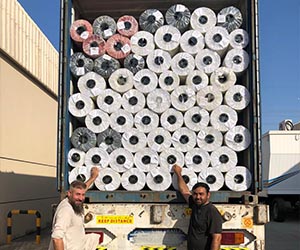
Before ordering carpet, measure the actual pathway and allow for turns, joining requirements and the way the carpet will be secured.
What Is Red Carpet Made Of?
A red carpet can be produced from different textile fibres and backing systems. The appropriate material depends on the intended use, expected foot traffic, duration and whether the carpet is for indoor or outdoor application.
Common flooring constructions may involve synthetic fibres or other textile materials selected for durability and appearance. Temporary event carpets are often chosen for practical installation and removal, while premium permanent carpeting may use more sophisticated constructions.
The best material for a red carpet therefore depends on the event rather than simply choosing the most expensive option.
Red Carpet Thickness and Quality
Red carpet thickness affects how the material feels and performs, but thickness alone does not determine quality.
For events, important considerations include:
- Surface appearance
- Fibre construction
- Backing
- Edge stability
- Durability
- Traffic requirements
- Installation method
- Ease of cleaning
- Reusability
A carpet designed for a high-traffic corporate event may have different characteristics from a decorative wedding carpet or a premium permanent installation.
Indoor vs Outdoor Red Carpet
Indoor red carpet installations are generally easier to protect from weather and moisture. Outdoor use introduces additional considerations such as dust, humidity, rain, sunlight, drainage and surface condition.
For an outdoor red carpet, the product and installation method should be selected specifically for the environment. A carpet intended for an indoor ballroom should not automatically be assumed suitable for an exposed outdoor entrance.
Temporary and Reusable Red Carpet
A temporary red carpet is common for weddings, conferences, exhibitions and one-day events. After the event, it can be removed and, depending on its construction and condition, potentially reused.
Reusable carpet requires proper handling during removal, cleaning and storage. Rolling it carefully rather than damaging or sharply folding it can help preserve its condition for future use.
How to Install Red Carpet
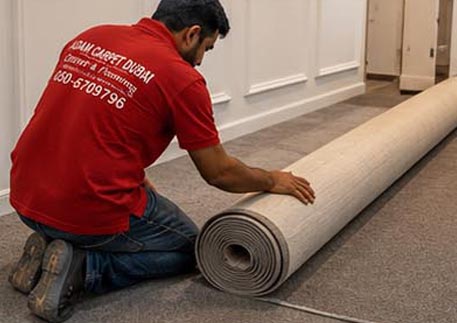
Professional red carpet installation normally involves measuring the area, preparing the floor, positioning the material, creating joins where necessary and securing the carpet appropriately.
For larger installations, the carpet may need to be cut into sections. The installation team must keep the colour and surface appearance consistent while ensuring the joins are as unobtrusive as possible.
At entrances and corners, special attention should be given to edges because poorly secured carpet can create a trip hazard.
Red Carpet Safety
Safety should always be part of event planning.
A red carpet should lie flat without loose sections, excessive ripples or unsecured edges. Where necessary, appropriate temporary securing methods should be used. The surrounding floor should also be free from obstacles that could interfere with guest movement.
Outdoor installations need particular attention to weather and surface conditions. Wet or slippery surroundings can create risks that are unrelated to the carpet itself.
Event organizers should also maintain clear emergency routes and avoid allowing the carpet installation to obstruct doors or designated access paths.
How to Choose a Red Carpet for an Event
When choosing the best red carpet for events, consider the venue first.
A wedding may prioritize appearance and photography. A corporate event may need a more durable and understated material. A large exhibition may require temporary flooring that can be installed and removed quickly.
Before buying or renting, evaluate:
Event duration: One day and permanent installations have different requirements.
Traffic: High-traffic events need more durable flooring.
Location: Indoor and outdoor environments require different considerations.
Colour: Even “red” comes in different shades and tones.
Dimensions: Measure the actual path rather than guessing.
Installation: Decide whether professional fitting is required.
Removal: Temporary projects may need post-event collection.
Storage: Reusable carpet needs appropriate handling and storage.
Red Carpet Advantages
A red carpet can provide several benefits for an event.
Strong Visual Impact
The colour immediately defines the arrival area and creates a sense of occasion.
Professional Presentation
A well-installed carpet makes entrances, stages and photo areas look more polished.
Photography
The carpet helps create a recognizable backdrop for guest photos and media coverage.
Crowd Guidance
A defined carpet pathway can help direct guests toward an entrance or event area.
Flexible Use
Red carpet can be adapted for weddings, corporate events, exhibitions, award ceremonies and VIP functions.
Red Carpet Disadvantages
Red carpet also has limitations.
It can show dirt, dust and stains more easily than darker or patterned flooring. Outdoor use can be more complicated because of weather and surface conditions. Temporary installations also require careful removal and storage if the material is intended for reuse.
For some events, another carpet colour or a different type of flooring may be more practical.
Red Carpet Alternatives
The traditional red carpet is not the only choice for a formal event.
Depending on the concept, organizers may use:
- Black carpet
- Blue carpet
- Grey carpet
- Beige or cream carpet
- Patterned event carpet
- Branded printed carpet
- Decorative rugs
- Modular carpet tiles
The best option depends on the event’s visual identity, venue and practical needs.
How to Clean and Maintain Red Carpet
Regular cleaning is especially important because red carpet can make dust and stains visually noticeable.
For temporary events, the carpet should be inspected after installation and again after removal. Vacuuming or suitable cleaning can help remove surface dirt before storage.
For permanent or reusable carpets, the cleaning method should be chosen according to the carpet fibre and manufacturer’s care recommendations.
Aggressive scrubbing and unsuitable cleaning chemicals can damage fibres or affect colour, so professional cleaning is advisable for valuable or delicate carpets.
How to Store Red Carpet
Clean and dry the carpet before storage. Roll it carefully and store it in a clean, dry environment away from excessive moisture, direct sunlight and damaging pressure.
Proper storage is particularly important for businesses that repeatedly use event carpets. Good handling can help preserve the carpet’s appearance and make future installation easier.
How Long Does Red Carpet Last?
There is no single lifespan for red carpet. Durability depends on fibre, construction, thickness, traffic, installation, cleaning and how the carpet is handled.
A temporary event carpet may be used for a small number of events, while a higher-quality permanent installation can remain in service for many years with appropriate maintenance.
For rental and reusable carpet, careful removal, cleaning and storage can also influence how many future events the material can support.
How Much Does Red Carpet Cost?
The red carpet cost depends on several factors, including carpet quality, dimensions, purchase or rental, installation, transport, event duration and removal requirements.
For that reason, there is no universal price per metre that applies to every project. A small wedding entrance and a large corporate event will have very different requirements.
The most accurate approach is to measure the venue and request a quotation based on the actual installation.
Red Carpet Event Decoration Ideas
Red carpet can be combined with other visual elements to create a complete entrance experience.
Popular red carpet decoration ideas include a backdrop with event branding, decorative lighting, floral arrangements, velvet ropes, stanchions, sponsor panels and an organized photography point.
For weddings, the carpet can lead toward the stage or ceremony area. For corporate events, it can lead from the entrance to a branded photo wall or reception point.
Red Carpet Entrance Ideas
A successful red carpet entrance should feel deliberate rather than simply placing a carpet on the floor.
Consider the route from vehicle arrival to the main door. A well-planned entrance can create a natural sequence:
Guest arrival → carpet pathway → photo area → reception → main venue.
Lighting, signage and barriers can be used to reinforce the route without making the area feel crowded.
Red Carpet Event Checklist
Before the event, confirm the carpet dimensions, venue access, installation time, floor condition, securing method and removal schedule.
Also verify that the carpet does not block exits, fire routes or essential access points. For major events, coordinate installation with venue management and the wider event production team.
Red Carpet Etiquette: How to Walk the Carpet
There are no universal rules for walking a red carpet, but a few simple habits make the experience easier.
Walk at a comfortable pace, follow the designated route and avoid stopping in busy traffic areas unless photographs are being taken. If photographers are present, pause briefly when appropriate and follow event staff instructions.
For formal events, guests should also be aware that clothing and accessories may be photographed from multiple angles.
Why the Red Carpet Remains Popular
The red carpet has survived because it is more than flooring. It is a ritual.
It tells guests that they are entering somewhere special. It creates a defined arrival path. It provides a strong visual element for photographers and event designers. And it connects modern entertainment culture with a tradition whose roots stretch back centuries.
From ancient symbolism to Hollywood premieres and modern corporate events, the red carpet continues to represent attention, ceremony and prestige.
Conclusion
The red carpet has evolved from an old symbol of honour and status into one of the world’s most recognizable event traditions. Its history includes ancient literary references, ceremonial arrivals, transportation history and eventually the Hollywood entertainment industry.
Today, a red carpet can be used for much more than celebrity arrivals. Weddings, corporate functions, exhibitions, award ceremonies, hotel events, VIP gatherings and private celebrations can all benefit from a professionally planned carpet entrance.
Choosing the right material, dimensions and installation method is just as important as the colour. A well-installed red carpet can improve presentation, guide guests, support event photography and create the sense of occasion that people expect from a formal arrival.
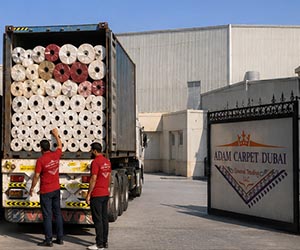
For red carpet supply, rental, installation and removal in Dubai, Adam Carpet Dubai provides event flooring solutions for weddings, exhibitions, corporate events, ceremonies and VIP occasions.
Contact Adam Carpet Dubai at 050 670 9796 for professional red carpet solutions in Dubai.